
Beyond the Hype: AI & ML as the New Foundational Layer of Software Development
The integration of Artificial Intelligence (AI) and Machine Learning (ML) into software development has moved far beyond experimental projects or isolated “smart features.” In 2024, they are evolving from tools into a foundational layer of the software development lifecycle. This shift is not just about what software can do but how it is created, refined, and delivered.
From Assistant to Architect: AI’s Expanding Role in the SDLC
1. Ideation & Design (The “What”)
- Product Intelligence: ML models analyze vast datasets including user behavior, support tickets, and market trends to predict potential features, identify unmet needs, and generate preliminary product requirements. AI answers: “What should we build next, and for whom?”
- Architectural Drafting: Tools can translate high-level system requirements into initial designs, suggesting optimal microservice boundaries, data flow patterns, and cloud service selections based on cost and performance.
2. Development & Coding (The “How”)
- The Prolific Co-Pilot: AI pair programmers are context-aware across entire codebases and can:
- Generate complete modules, e.g., REST API endpoints.
- Write unit and integration tests based on function intent.
- Refactor code for performance while adhering to style guides.
- Translate code between languages or modernize legacy syntax.
- The Bug Hunter: ML-powered static and dynamic analysis tools predict code prone to bugs, detect subtle security flaws, and suggest fixes with high confidence.
3. Testing & QA (The “If It Works”)
- Intelligent Test Generation: AI autonomously creates test suites, including edge cases humans might overlook, and prioritizes tests based on risk models.
- Visual & UX Testing: Computer Vision models detect UI regressions across devices and browsers, automating previously manual tasks.
4. Deployment & Operations (The “Release & Run”)
- Self-Healing Systems: AIOps platforms use ML to predict outages, auto-scale infrastructure, and execute recovery actions.
- Intelligent Observability: ML analyzes telemetry data to identify root causes of performance issues, reducing resolution time from hours to minutes.
The Double-Edged Sword: Challenges and Paradigm Shifts
- The Black Box Problem: AI-generated code can be difficult to understand, posing security, maintainability, and technical debt risks. Explainable AI (XAI) is critical.
- Intellectual Property & Licensing: Legal questions arise regarding AI-suggested code and potential replication of proprietary code.
- The Skill Shift: Developers must now focus on orchestration, validation, and creative problem-solving. Key skills include prompt engineering, AI output validation, system design, and ethics.
- Data Dependency: AI effectiveness depends on high-quality, context-rich training data. Proprietary AI models are a competitive advantage for enterprises.
The Future: Toward Autonomous Software Development?
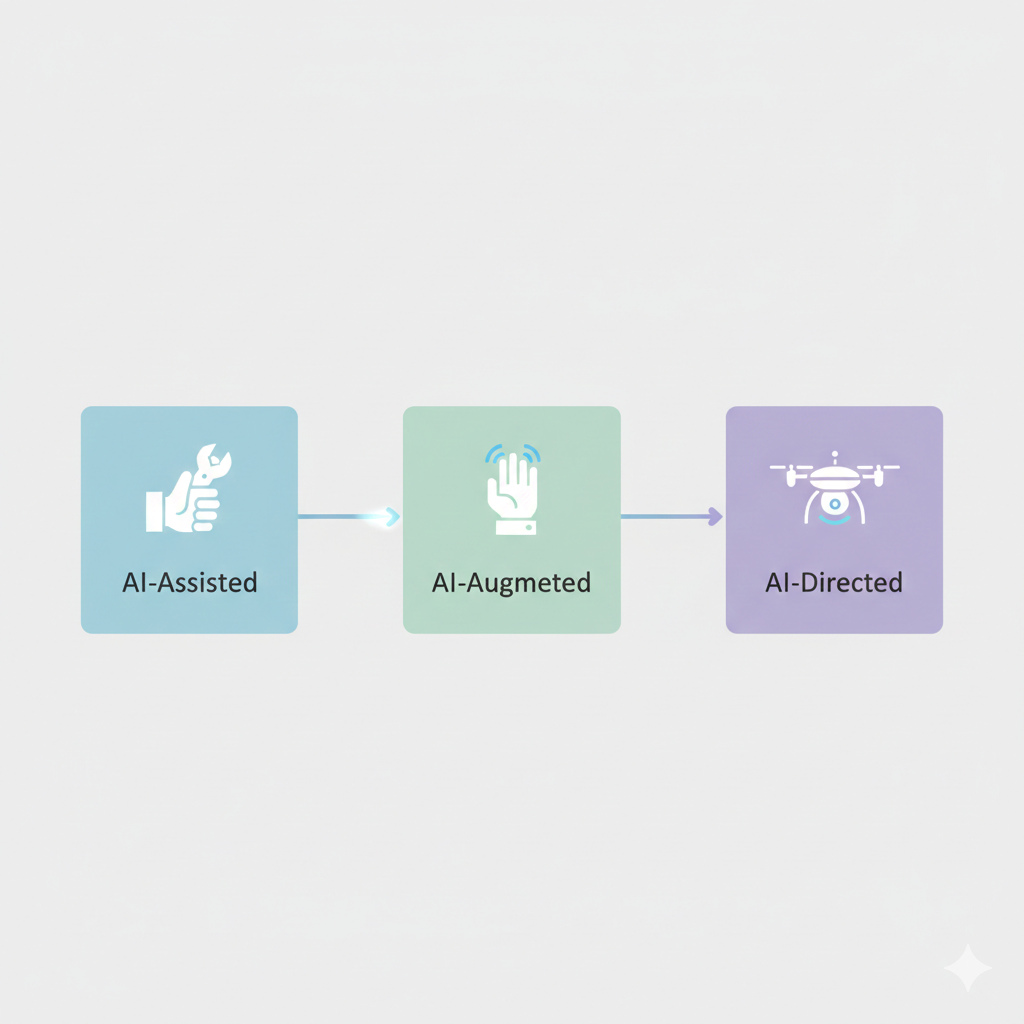
- AI-Augmented (Current Stage): AI handles discrete tasks under human supervision.
- AI-Directed (Future Horizon): Humans provide strategic objectives, and AI autonomously builds, tests, deploys, and delivers software for human approval.
Conclusion: Embracing the Symbiosis
The narrative is no longer “AI versus developers” but “developers plus AI versus complexity.” Successful organizations will:
- Upskill teams to work effectively with AI.
- Establish governance frameworks for AI-generated code.
- Curate code and data as strategic assets for proprietary AI models.
AI and ML amplify human creativity, freeing developers to focus on innovation, empathetic design, and responsible software creation. The foundational layer is laid; the next era of software development is being built upon it.


One Comment
Hi http://informationhacks.com,
We create modern, user-friendly websites that help brands stand out and attract more customers. Our focus is on design, performance, and user experience — so your visitors stay longer and take action.
I’d be happy to share a few practical design ideas that could improve engagement and conversions for your business.
Let me know if you’d like to explore this further.
Thank you.
Sonam