
How AI Will Replace Jobs in 2026: Facts, Fallacies, and New Opportunities
Introduction: The AI Employment Revolution
Artificial Intelligence (AI) is no longer a futuristic concept in 2026. It is part of our daily lives and workplaces. Everyone is talking about how AI will replace human jobs. This article will separate fact from fiction and show you the new opportunities AI is creating. We will examine the real impact of AI on employment in simple English so that anyone around the world can understand.
The Truth About AI and Job Replacement
Some jobs are being replaced by AI, and this is a fact. But which jobs are most affected?
AI is excellent at handling repetitive and routine tasks. Jobs like data entry, basic customer service, and simple analysis are rapidly changing. By 2026, AI systems can sort emails, schedule meetings, and generate reports in seconds. This means some roles are being redesigned or reduced, not eliminated entirely.
For example, in manufacturing, AI-powered robots work alongside humans, handling tedious or dangerous tasks. In offices, AI software manages routine paperwork. AI is gradually taking over specific tasks, not whole professions, and the shift focuses on routine work.
Common Myths About AI Replacing Jobs
Let’s clear up some common misconceptions:
Myth 1: AI Will Take All Human Jobs
This is false. AI is a tool, not a replacement for human thinking. Jobs that require creativity, emotional intelligence, and complex decision-making—like nurses, teachers, artists, and engineers—remain safe. AI helps humans but cannot replace the human touch.
Myth 2: Only Low-Skill Jobs Are at Risk
Also false. AI is changing high-skill jobs too. For example, AI helps lawyers review documents faster and assists doctors in diagnosing illnesses. The type of task matters more than skill level—routine cognitive work can be automated.
Myth 3: AI Will Replace Jobs Overnight
False again. AI integration is a gradual process, not an event. Businesses need time to adapt, and workers need time to acquire new skills. 2026 is just a point in a long journey of change.
New Opportunities Created by AI in 2026
AI is not just replacing jobs; it is creating new ones. Here are some emerging opportunities:
1. AI Management and Supervision Roles
Every AI system needs a human overseer. New roles like AI Trainer, AI Ethicist, and Machine Learning Manager are growing. These professionals teach AI systems, ensure fairness, and manage operations.
2. Human-AI Collaboration Jobs
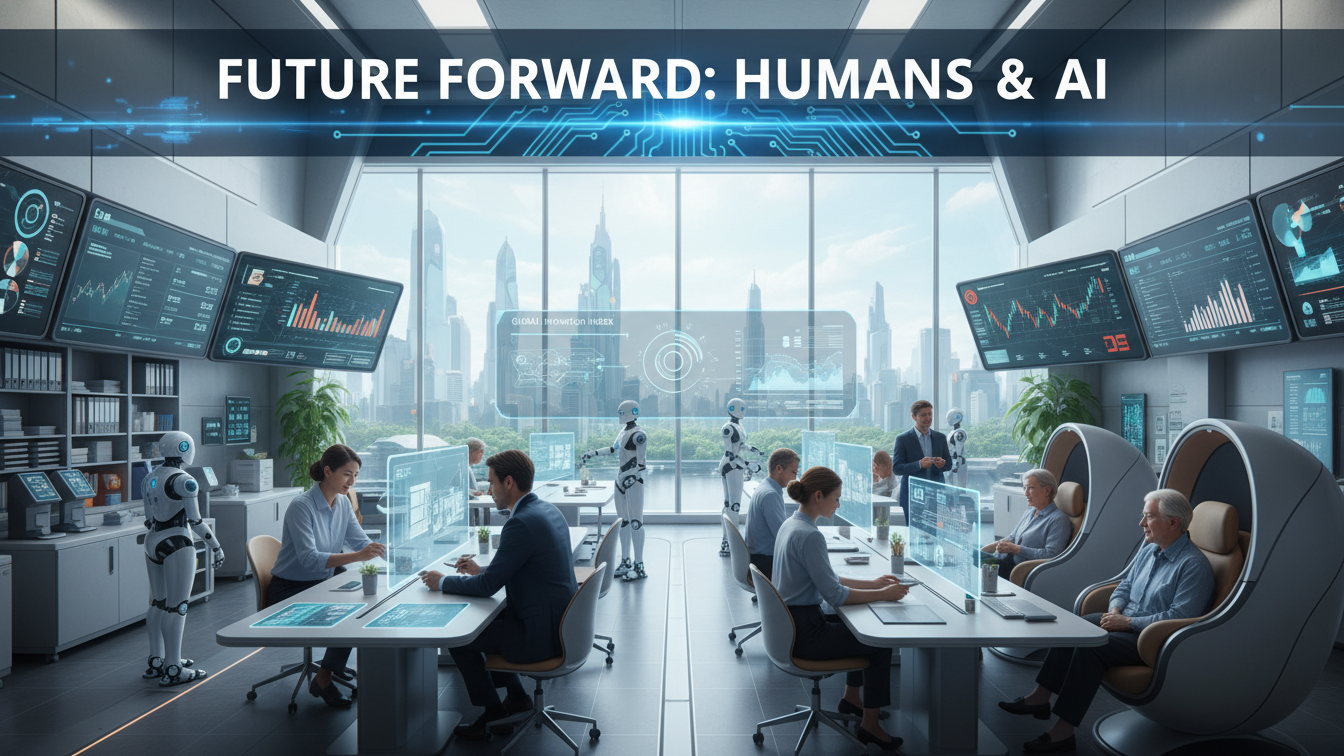
The future is about teamwork between humans and AI. Jobs are emerging where your main task is to work with AI tools. For example, a Marketing AI Specialist uses AI to plan campaigns while adding human creativity and strategy.
3. Technical Assistance and Maintenance
AI systems require maintenance, updates, and repairs. AI Maintenance Technicians and Cybersecurity Experts who protect AI systems are in high demand.
4. New Careers in Creativity and Caring
As AI handles routine tasks, human-centric services are growing. Jobs in mental health, personal coaching, caregiving, creative direction, and experience design are becoming increasingly important.
Skills You Need to Thrive in the AI Era
To succeed in 2026, you need the right skills:
- Digital Literacy: Understand basic AI tools.
- Critical Thinking: Analyze information and make decisions AI cannot.
- Emotional Intelligence (EQ): Skills like empathy, communication, and teamwork are highly valuable.
- Adaptability: Be willing to learn new skills continuously.
- Technical Knowledge: Basic coding or data skills are an advantage.
You don’t need to be a computer genius—willingness to learn matters most.
How to Future-Proof Your Career
Worried about AI replacing your job? Follow these steps:
- Audit Your Tasks: Identify repetitive tasks that AI could automate. Focus on areas that require human judgment.
- Upskill Regularly: Take online courses to learn new skills and AI tools in your industry. Many are free or affordable.
- Embrace AI as a Helper: Use AI tools to improve your work. The more you practice, the more valuable you become.
Conclusion: Collaboration, Not Replacement
The story of AI in 2026 is not one of job loss—it is one of transformation. Some jobs are disappearing, but many new opportunities are emerging. The key is adaptation. By understanding the truth, ignoring myths, and focusing on opportunities, we can create a future where AI makes our work more human, not less.
The future belongs to those who are ready to learn, adapt, and collaborate with AI. Start your journey today.