
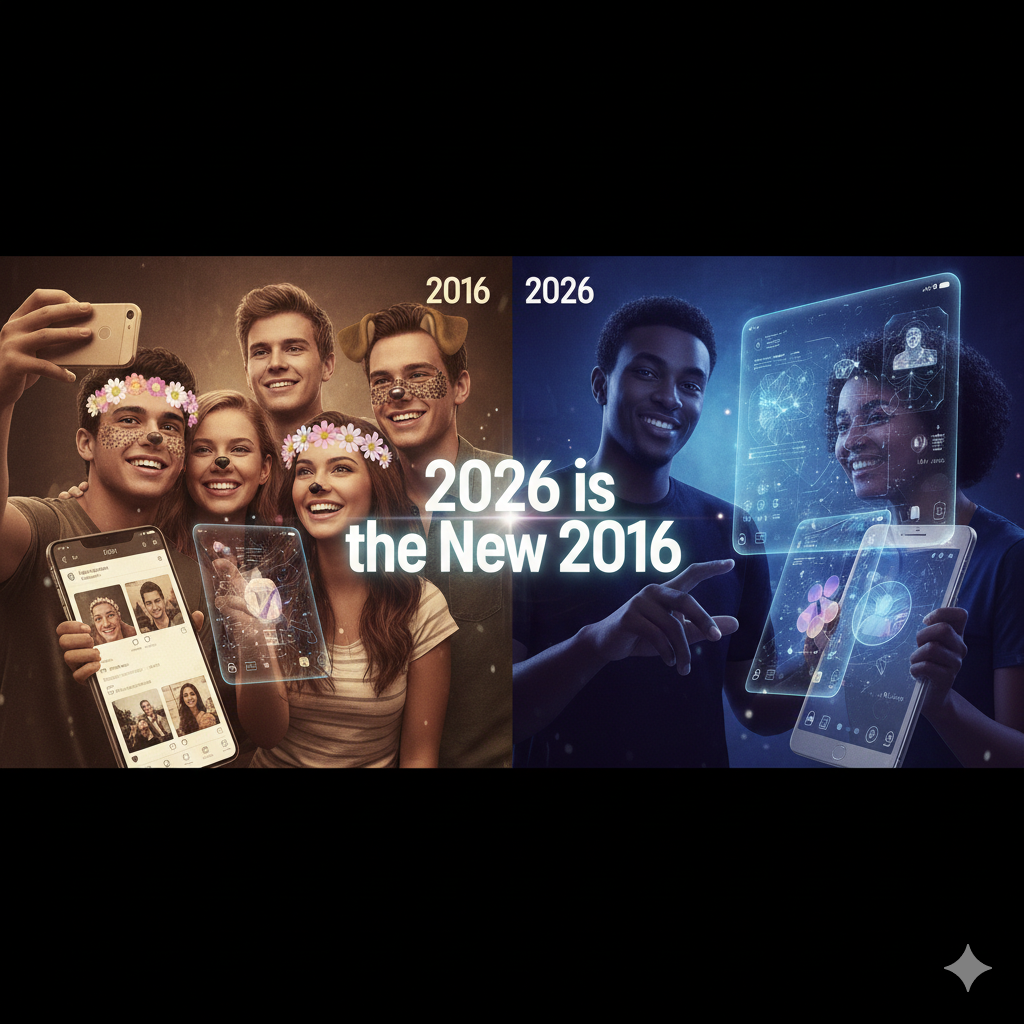
Scroll through TikTok, X (formerly Twitter), or Instagram Reels, and you’ll likely encounter a compelling phrase: “2026 is the new 2016.” This viral sentiment isn’t a prediction about politics or tech, but a powerful wave of digital nostalgia that has captured the imagination of Gen Z and millennials online. It’s more than a meme; it’s a cultural lens revealing how nostalgia actively shapes and defines online culture today.
The Psychology of Digital Nostalgia: Why We Long for 2016
To understand the trend, we must first decode the allure of 2016. In the collective digital memory, 2016 represents a poignant cultural sweet spot:
- A Pre-Pandemic “Normal”: The last full year before global upheavals, symbolizing simplicity and social freedom.
- Peak “Old Internet” Vibes: Instagram was primarily a photo feed. Vine’s 6-second loops were defining humor. Twitter was chaotic but less polarized.
- A Unified Pop Culture Moment: Drake’s Views, Rihanna’s ANTI, Pokémon GO, and viral memes created shared global experiences.
This longing isn’t just for a year; it’s for a specific digital ecosystem and emotional state. Nostalgia serves as a psychological anchor, reducing anxiety and boosting social connectedness during times of stress or rapid change.
Algorithmic Nostalgia: How Social Media Fuels the Cycle
The “2026 is the new 2016” trend doesn’t spread organically—it’s amplified by social media algorithms. Platforms like TikTok thrive on cyclical content. Creators post side-by-side comparisons of 2016 vs. 2024 fashion or overlay 2016 hits over modern clips. These posts trigger emotional engagement, which the algorithms reward, creating a feedback loop where nostalgia keeps growing.
2016 vs. 2026: A Cultural Comparison Driving the Trend
The Role of Music, Fashion, and Aesthetics
Music is a primary nostalgia trigger. Synth-pop, tropical house, and emo rap from 2016 are enjoying a retro revival. Artists like Charli XCX and Troye Sivan are topping charts again, while new artists emulate the same style.
Fashion is seeing a comeback too: indie sleaze, high-waisted jeans, chokers, and band tees are trending on Pinterest and TikTok. Grainy photo filters, low-resolution edits, and “then vs now” videos visually reinforce the trend.
The Business of Nostalgia: Marketing in a Retro-Cycle
Brands and marketers are leveraging nostalgia as a tool to build trust and engagement. Examples include:
- Reboots and revivals of movies, shows, and products from 2016.
- Limited-edition product drops inspired by old favorites.
- Influencers sharing throwback content to deepen audience connections.
What This Trend Reveals About Our Digital Future
Ultimately, the trend reflects a collective craving for:
- Authentic Connection: 2016’s internet felt more human and less commercialized.
- Cultural Cohesion: Shared pop culture moments in an age of niche subcultures.
- Optimistic Futurism: Users hope to bring the best feelings of the past into the future.
Conclusion: Nostalgia as a Cultural Compass
The “2026 is the new 2016” trend is more than a meme. It guides content creation, fuels algorithms, informs marketing strategies, and helps users navigate the fast-paced online world. Nostalgia is not about living in the past—it’s a template, critique, and blueprint for a human-centered digital future.


2 Comments
Bet558casinoapp is a good little app, its been working well for me with no issues. I am happy it runs well on my phone. Try out the bet558casinoapp if you want to play without sitting at your PC.
Hi,
I am a senior web developer, highly skilled and with 10+ years of collective web design and development experience, I work in one of the best web development company.
My hourly rate is $8
My expertise includes:
Website design – custom mockups and template designs
Website design and development – theme development, backend customisation
Responsive website – on all screen sizes and devices
Plugins and Extensions Development
Website speed optimisation and SEO on-page optimisation
Website security
Website migration, support and maintenance
If you have a question or requirement to discuss, I would love to help and further discuss it. Please email me at e.solus@gmail.com
Regards,
Sachin
e.solus@gmail.com